
Edge vs Cloud: Where Should Your IoT Data Be Processed?
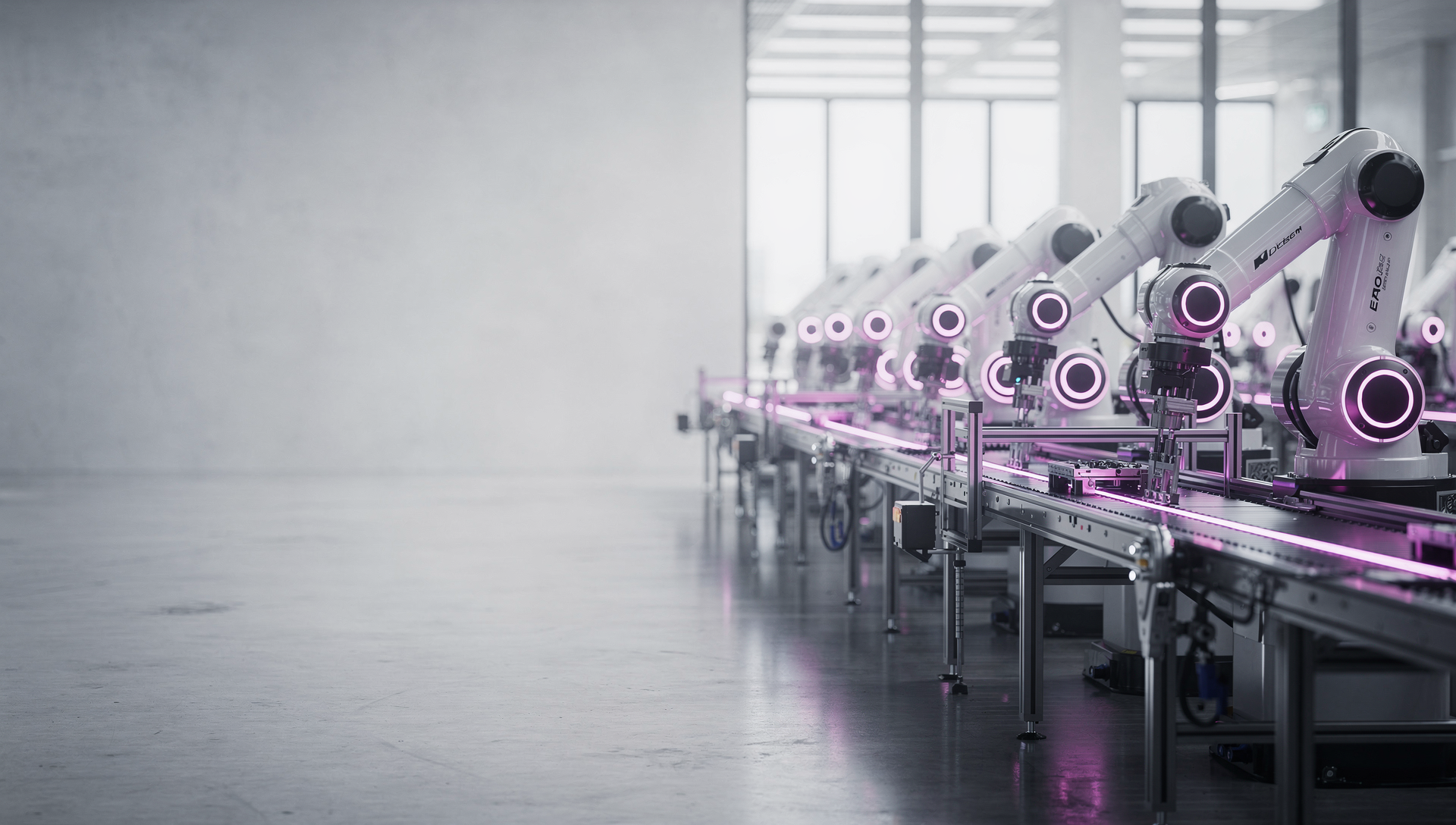
Every connected device has to answer one question: where does the thinking happen? Should a sensor ship its raw readings straight to the cloud, or should the hardware in the field make sense of the data first? Get this split right and you cut costs, reduce latency, and build something that keeps working when the network doesn't. Get it wrong and you pay for it in bandwidth bills and missed events.
Here's how to decide.
What "the edge" actually means
Edge computing means processing data on or near the device that produces it — on the sensor itself, a gateway, or a local controller — instead of sending everything to a remote data centre. Cloud computing centralises that processing in large, scalable remote infrastructure.
It's rarely all-or-nothing. The best IoT systems split the work: the edge handles the fast, local, high-volume decisions; the cloud handles the heavy, long-term, big-picture ones.
Process at the edge when…
- Latency matters. If a machine has to stop within milliseconds of a fault, you can't wait for a round trip to the cloud. The decision has to happen on the hardware.
- Bandwidth is limited or expensive. A vibration sensor sampling thousands of times per second can't stream raw data over cellular affordably. Process it locally and send only the summary — or just the anomalies.
- Connectivity is unreliable. Remote sites, vehicles, and rural deployments lose signal. Edge processing means the device keeps making decisions through an outage and syncs later.
- Privacy or compliance applies. Keeping sensitive data on-site, sending only aggregated results, simplifies a lot of regulatory headaches.
Use the cloud when…
- You need scale and history. Training models, spotting trends across a whole fleet, and storing months of data is what the cloud does best.
- You're aggregating across many devices. Cross-site dashboards, fleet analytics, and comparisons live naturally in one central place.
- The workload is heavy and not time-critical. Big computations that can tolerate a few seconds' delay don't need to run on constrained field hardware.
The pattern that usually wins
Most robust deployments look like this:
- Sensor captures raw data.
- Edge device filters, aggregates, and acts on anything urgent — locally, instantly.
- Cloud receives the distilled stream for storage, analytics, and fleet-wide intelligence.
This keeps your real-time decisions fast and resilient, your bandwidth low, and your long-term insight rich — without forcing one layer to do a job it's bad at.
Let the hardware drive the decision
The right split depends on your devices: their processing power, their connectivity, and what they're controlling. The mistake is defaulting to "send everything to the cloud" because it's easy, then discovering the latency, cost, or reliability problems in production.
Start from the field. Ask what has to happen locally, what can wait, and size your edge hardware accordingly.
Not sure where your workloads should live? Talk to Smartify about edge hardware built for the job.